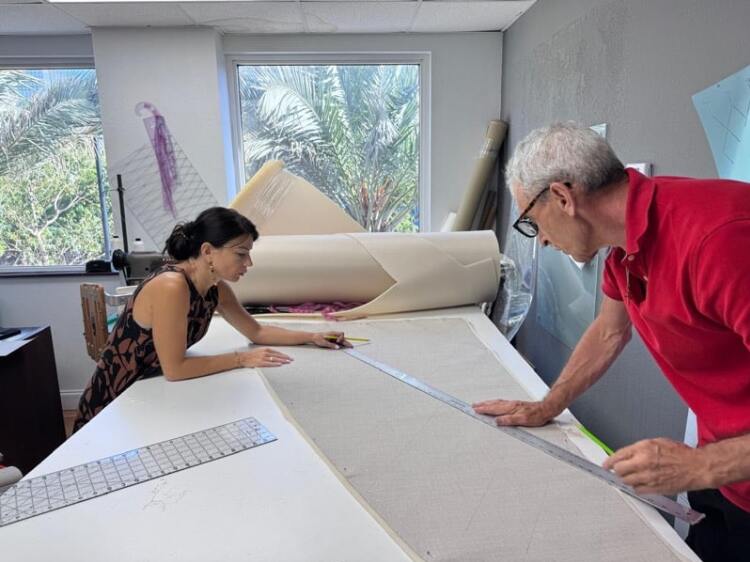
Comfort on a boat starts with seating. Even the most powerful engine or modern layout cannot compensate for uncomfortable or worn seats. Choosing the right boat seat fabric plays a major role in how enjoyable time on the water feels. Many boat owners begin their research by learning from experienced professionals and trusted sources that specialize in marine materials, which helps avoid costly mistakes later. The right fabric improves comfort, extends seat life, and keeps the interior looking fresh season after season.
Why Boat Seat Fabric Is Different
Boat seats face much harsher conditions than indoor or automotive seating. Sun exposure, saltwater, humidity, and temperature changes all affect how materials perform over time. Regular fabrics fade, crack, or absorb moisture quickly when used in marine environments.
High-quality boat seat fabric is designed to handle these challenges. It stays flexible under sunlight, resists mildew, and maintains color even after long exposure to water and heat. This difference becomes noticeable after just one boating season.
Key Qualities to Look For
Not all marine fabrics offer the same performance. When choosing boat seat fabric, professionals usually focus on several essential qualities:
- UV resistance to prevent fading and cracking
- Water resistance to reduce moisture absorption
- Mold and mildew protection
- Easy cleaning and low maintenance
- Soft texture that remains comfortable in heat
These features ensure that seating remains both practical and pleasant, even during long trips or frequent use.
Common Types of Boat Seat Fabric
Boat owners can choose from several popular fabric types, depending on their priorities and budget.
Marine vinyl is one of the most widely used options. It offers excellent water resistance, durability, and easy cleaning. Vinyl works well for boats that see heavy use or frequent exposure to saltwater.
Woven marine fabrics provide a softer feel and a more refined appearance. Many modern woven materials are treated to resist moisture and UV damage, making them suitable for seating areas with partial sun exposure.
Some boat owners prefer performance fabrics designed specifically for marine use. These materials balance comfort and durability while offering a wider range of colors and textures.
How Fabric Affects Comfort
Comfort is not only about foam thickness. Boat seat fabric directly affects how seating feels against the skin, especially during hot weather. Poor-quality materials can become sticky, overly hot, or rough over time.
High-quality fabrics remain breathable, reduce heat buildup, and feel pleasant even after hours of use. This becomes especially important during long cruises, fishing trips, or social outings on board.
Choosing the right fabric also helps prevent skin irritation and discomfort caused by friction or trapped moisture.
Style and Design Considerations
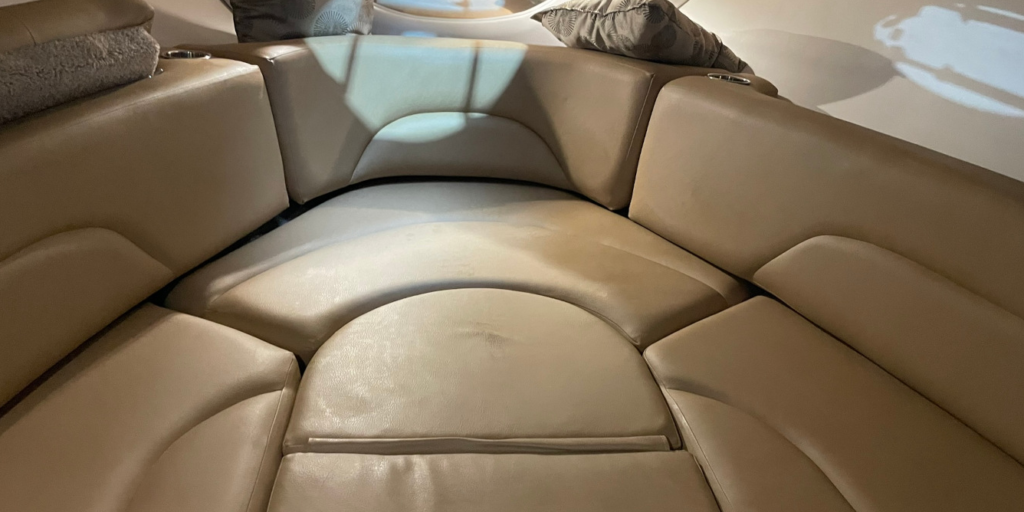
Boat seat fabric also plays a major role in visual appeal. Color, texture, and pattern influence how the entire boat interior looks and feels.
Neutral tones often create a clean and timeless appearance. Brighter colors can add personality and energy to the space. Textured fabrics can hide minor wear while adding depth to the design.
Professionals usually recommend selecting fabrics that complement the boat’s layout and surrounding materials rather than overpowering them. A balanced design keeps the interior looking modern and inviting.
Maintenance and Longevity
Even the best boat seat fabric requires basic care. Simple habits can significantly extend its lifespan:
- Rinse seats with fresh water after saltwater exposure
- Clean regularly using mild soap
- Avoid harsh chemicals or abrasive brushes
- Allow seating to dry fully after use
- Use covers when the boat is not in use
Regular maintenance preserves both comfort and appearance, ensuring the fabric performs as expected for years.
When to Replace Boat Seat Fabric
Over time, even marine-grade materials show signs of wear. Cracking, fading, sagging, or persistent odors often indicate it is time for replacement.
Replacing fabric before severe damage occurs can prevent foam deterioration and structural issues. Many boat owners find that updating the fabric alone makes the entire seating area feel new again.
This upgrade can also increase the overall value and appeal of the boat.
Why Professional Guidance Matters
Selecting boat seat fabric involves more than choosing a color. Professionals understand how materials behave in marine environments and can recommend options based on usage, climate, and seating design.
Expert input helps ensure the fabric matches the boat’s needs and avoids common mistakes. This approach saves time, reduces long-term costs, and delivers better results.
Conclusion
The right boat seat fabric transforms the boating experience. It improves comfort, enhances appearance, and protects seating from harsh marine conditions. By choosing materials designed for life on the water and maintaining them properly, boat owners can enjoy stylish, comfortable seating season after season. Thoughtful fabric selection is one of the simplest yet most impactful upgrades any boat can receive.