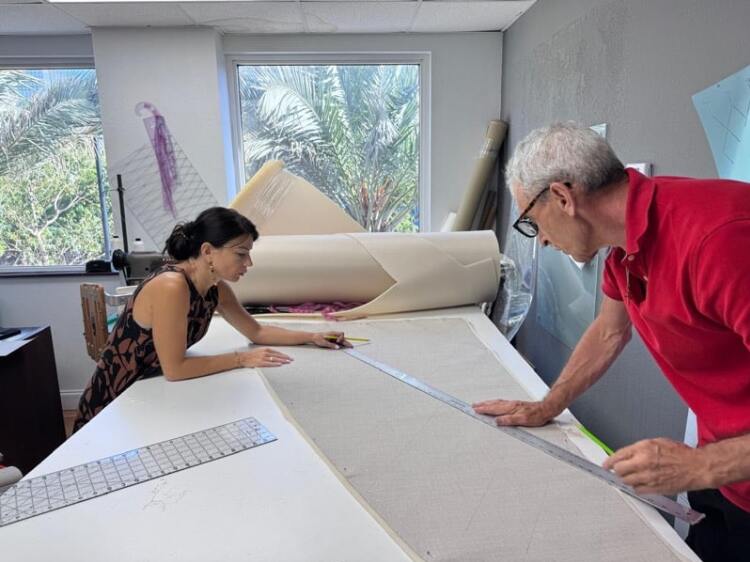
Boat seating does not always require a full professional overhaul. In many cases, small repairs and basic upholstery updates can significantly improve both comfort and appearance. For boat owners in Miami, where sun and moisture quickly wear down materials, learning how to handle simple fixes can save time and money. However, if the damage is more serious or you want a flawless result, you can always recover boat seats with professional help by reaching out to specialists here.
When a DIY repair is enough
Not every problem means you need to replace everything. Many seating issues are surface level and can be handled with a few tools and some patience.
A DIY approach works well when the structure of the seat is still solid and the foam has not completely lost its shape. Small cracks, faded material, or slightly loose fabric can often be fixed without professional equipment.
If you are dealing with deep damage, broken frames, or completely worn out foam, it is usually better to recover boat seats through a professional service. But for light wear, a simple repair can go a long way.
What you need before you start
Preparation is the key to getting a clean result. Before you begin, gather all the necessary tools and materials so the process goes smoothly.
- Marine grade vinyl or fabric
- Staple gun with stainless steel staples
- Screwdriver or drill
- Scissors or a sharp utility knife
- Measuring tape
- Adhesive spray for foam if needed
Marine materials are important because they are designed to handle sun exposure and moisture. Regular fabric will not last long in Miami conditions.
Step by step process
Start by removing the seat from the boat if possible. This makes the job much easier and gives you full access to all sides. Turn the seat over and carefully remove the old staples to take off the existing material.
Once the old covering is removed, inspect the foam underneath. If it still feels firm and returns to its shape after pressing, you can keep it. If it looks uneven or worn, trim the damaged areas or replace sections as needed.
Lay the new material flat on a clean surface and place the seat on top. Make sure you leave enough extra material around the edges so you can wrap and secure it properly.
Begin attaching the new fabric from the center of one side. Pull it tight and place a few staples to hold it in place. Move to the opposite side and repeat the process, keeping the tension even. Continue with the remaining sides.
As you recover boat seats, always check the surface for wrinkles or loose spots before adding more staples. Small adjustments early will save you from redoing the work later.
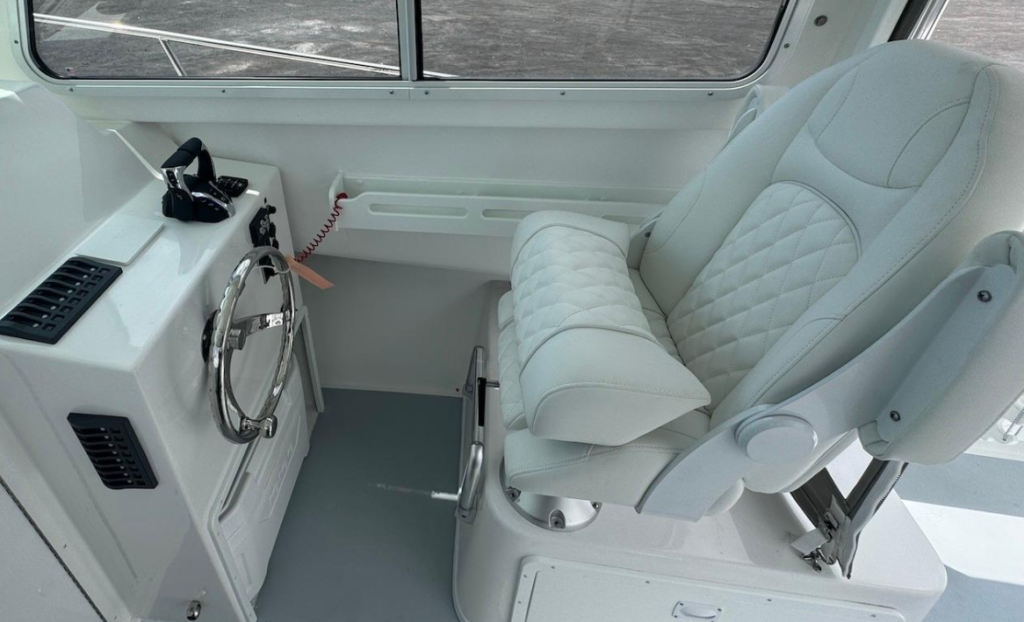
Getting clean corners and edges
Corners are usually the most difficult part. The goal is to fold the material neatly without creating bulky areas. Take your time and make small, controlled folds rather than trying to secure everything at once.
Smooth the surface frequently as you work. This helps you maintain an even look across the entire seat. Tight, clean edges will make the final result look much more professional.
Common mistakes to avoid
One of the biggest mistakes is rushing through the process. Uneven tension can create wrinkles that are hard to fix once everything is secured.
Using the wrong materials is another issue. Non marine fabrics may look fine at first, but they will quickly wear out under sun and moisture.
Ignoring the foam condition is also a problem. Even if the surface looks good, worn foam will reduce comfort and make the seat feel unstable. When you recover boat seats, both the inside and outside matter.
Simple maintenance after repair
Once your seats are updated, a few simple habits can help keep them in good condition. Rinse them with fresh water after exposure to salt. Use mild cleaning products to remove dirt without damaging the material.
Allow the seats to dry fully before covering or storing the boat. If possible, use protective covers to reduce sun exposure when the boat is not in use.
These steps will help extend the life of your repair and delay the need to recover boat seats again.
Taking care of small issues yourself is a practical way to maintain your boat. With the right approach, even a simple DIY update can improve comfort and keep your seating looking clean and functional for many trips ahead.