
Boat interiors experience more wear than many owners realize. Seating faces sunlight, moisture, salt, dirt, and constant passenger use, especially on vessels that spend much of the year on the water. For that reason, choosing a suitable boat upholstery material can influence the comfort, appearance, and lifespan of an interior. Boat Upholstery Broward provides professional upholstery for boats and yachts, helping owners restore worn seating and create practical custom interiors.
Start With How You Use the Boat
The right upholstery begins with the boat’s purpose.
A fishing boat may need seating that tolerates frequent cleaning and contact with equipment. A family cruiser may place greater emphasis on comfort and stain resistance. A yacht used for entertaining may require a combination of refined design and dependable performance.
Before choosing a boat upholstery material, owners should consider:
- How often they use the vessel
- Where the seating is located
- How much sunlight it receives
- Whether the boat operates in saltwater
- How frequently the seats require cleaning
These factors can make the selection process much easier.
Outdoor Seating Faces the Biggest Challenge
Exterior cushions usually experience the harshest conditions.
Cockpit and bow seating can receive direct sunlight, rain, water spray, and frequent passenger traffic. Helm seats can also experience significant wear because operators may spend several hours in the same position.
For exposed areas, UV resistance and moisture resistance deserve particular attention.
A suitable boat upholstery material can help maintain the appearance of seating while reducing the effects of regular environmental exposure.
Sunlight Can Change an Interior
Long periods of direct sunlight can gradually affect marine seating.
Fading may appear first, but prolonged UV exposure can also contribute to surface deterioration. Boats stored outdoors face this challenge even when nobody is onboard.
Protective covers can reduce unnecessary exposure.
However, owners should choose covers that fit correctly and allow appropriate ventilation.
Moisture Management Matters
Water is an unavoidable part of boating.
Rain, spray, spills, and wet clothing can introduce moisture to cushions. While marine materials can tolerate demanding conditions, trapped moisture can still create problems.
Owners should allow wet cushions to dry thoroughly before storage.
Ventilation also matters, particularly inside cabins and other enclosed areas.
Look Beyond the Surface
The exterior covering receives most of the attention, but the material underneath matters just as much.
Foam can lose its resilience after years of repeated use. Flattened cushions may reduce support and make longer trips uncomfortable.
When restoring seating, owners should inspect the foam as well as the covering.
Combining fresh cushioning with a durable boat upholstery material can provide a more complete upgrade.
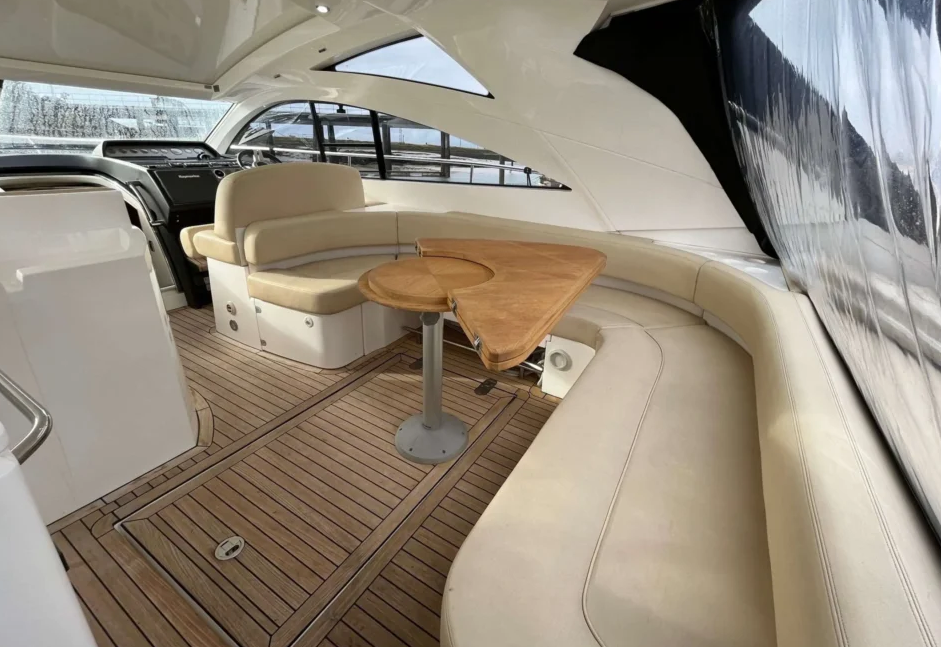
Color Can Change the Character of a Boat
A new upholstery project offers an opportunity to rethink the interior.
Light colors can create a bright and spacious atmosphere. Darker accents can add definition, while contrasting panels can make the seating look more customized.
Common combinations include:
- White and navy
- Cream and blue
- Light gray and charcoal
- Beige and brown
- Neutral colors with contrasting stitching
The best palette should complement the boat’s exterior and existing interior details.
Texture Adds More Than Appearance
Texture can make seating more interesting without relying on strong colors.
Subtle grain patterns can provide depth, while different textures can separate cushion sections. Decorative piping can also emphasize the shape of the seating.
Modern boat upholstery material options give owners more freedom to combine practical performance with distinctive design.
Cleaning Should Be Part of the Decision
Marine seating regularly encounters dirt, sunscreen, food, drinks, sand, and salt.
For heavily used boats, easy maintenance can be just as important as appearance.
Owners should consider how easily a surface can be cleaned and follow the manufacturer’s care instructions.
Promptly removing spills and residue can help maintain the seating for longer.
Small Details Create a Custom Finish
A complete interior redesign is not always necessary.
Simple changes can create a noticeable difference. Contrast stitching, decorative piping, custom embroidery, and two-tone panels can give standard seating a more distinctive appearance.
These details work particularly well when they support the existing design rather than competing with it.
Protect Seating Between Trips
Upholstery continues to experience environmental exposure while a boat sits at the dock.
Sunlight, rain, dust, and airborne debris can gradually affect exposed seating.
Using properly fitted covers can reduce this exposure.
Before covering the boat, owners should make sure the seating is completely dry. Good airflow can help prevent moisture from becoming trapped underneath the cover.
Repair or Reupholster?
Small damage does not always justify a complete upholstery project.
A loose seam or isolated tear may require only a simple repair. Widespread cracking, severe fading, damaged foam, and repeated seam failures can indicate that full reupholstery offers a better long-term solution.
Addressing deterioration early can also give owners more options.
Professional Installation Completes the Project
Even high-quality materials need accurate installation.
Proper measurements, tight fitting covers, reinforced seams, and clean finishing all influence the final result.
Professional installation can help ensure that the selected boat upholstery material fits the seating correctly and performs as intended.
Final Thoughts
Marine seating needs to combine comfort, appearance, and practical durability. Because boats operate in demanding environments, upholstery choices should reflect real conditions rather than appearance alone.
The right boat upholstery material can help seating handle sunlight, moisture, saltwater, cleaning, and repeated use. When owners combine suitable materials with quality foam, professional installation, protective covers, and regular maintenance, they can create a boat interior that remains comfortable and attractive for many seasons.